If you are wondering how to make can cinnamon rolls better, you are probably holding a tube of refrigerated dough and hoping breakfast can taste less like breakfast from a tube. Good news: it can. With a few measured additions, better oven timing, and one small bit of patience, those rolls can become soft, sticky, fragrant, and genuinely worth putting on the table. I use this method when Lily wants cinnamon rolls before school and I have exactly zero interest in mixing dough at 6:15 a.m.
The goal is not to disguise the rolls completely. It is to give them more moisture, richer flavor, and a softer center without turning the pan into a sugary swamp. Start with one 12.4-ounce tube of refrigerated cinnamon rolls, preferably the kind that comes with icing. You will also need 28 grams of unsalted butter, 60 grams of heavy cream, 25 grams of packed brown sugar, and 1 gram of ground cinnamon.
The simple upgrades that make the biggest difference
First, choose a small baking dish rather than spreading the rolls across a large sheet pan. An 8-inch round cake pan or an 8-inch square dish keeps the rolls close enough to support one another as they bake. Grease it with 8 grams of softened butter. The rolls should be touching or nearly touching, not sitting several inches apart. That close arrangement traps steam and helps the edges stay tender.
For the butter mixture, melt 28 grams of butter and stir in the brown sugar and cinnamon. Add 1 gram of vanilla extract if you have it, but do not pour in an unmeasured splash. Spread half of the mixture over the bottom of the dish. Place the rolls cut-side up, then spoon the remaining butter mixture over the tops. This gives the dough a caramelized underside and a more pronounced cinnamon flavor.
The cream is the quiet trick. Pour 60 grams of heavy cream around the rolls, not directly over their tops. The cream will work into the dough as it heats, adding fat and moisture. If you only have half-and-half, use 60 grams of it and expect slightly less richness. Milk works in a pinch, but the finished rolls will not be quite as plush.
If you are searching for how to make can cinnamon rolls better because yours usually bake up dry, this is the fix I would try first. Dryness usually comes from too much exposed surface area, an oven that runs hot, or leaving the rolls in until they are deeply brown. More cream helps, but it cannot rescue dough that has been baked for an extra ten minutes.
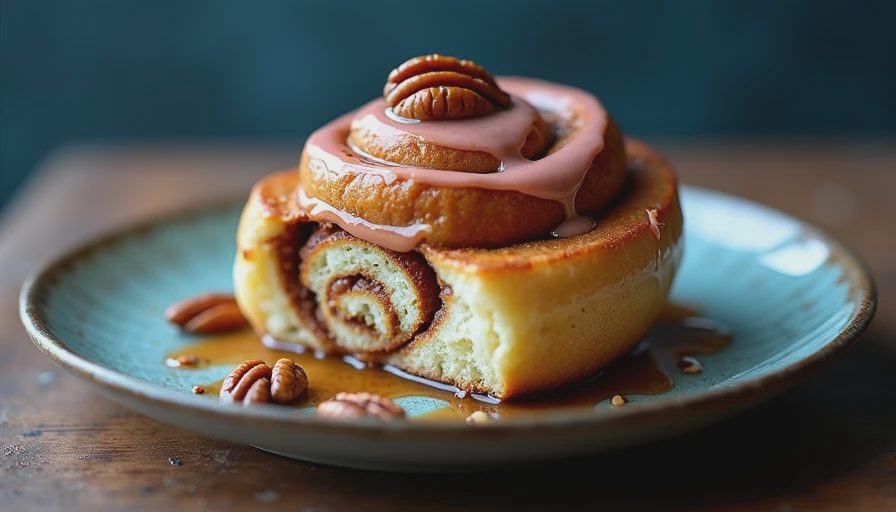
Oven temperature and timing matter more than you think
Preheat the oven to 350 degrees Fahrenheit, and give it at least 15 minutes to fully heat. Put the covered dish in the center of the oven and bake for 20 minutes. Remove the foil, then bake for another 7 to 12 minutes, checking early. The rolls are ready when the centers look set but still soft and the tops are light golden brown.
That timing is a range because refrigerated dough varies between brands and refrigerator temperatures. A dark metal pan may brown the bottoms faster than a glass dish. If your oven regularly burns cookies on the bottom, place the pan on a rimmed baking sheet. That extra layer slows direct heat and makes cleanup easier if the cream bubbles over.
Do not wait for every roll to look dry and firm in the middle. The pan will continue cooking for several minutes after it leaves the oven. When I overbaked my first upgraded batch, the edges were chewy and the centers had lost their soft pull. They were not dangerous or ruined beyond eating, but they were not the point of the exercise either. Pull them when the middle still has a slight wobble.
For anyone learning how to make can cinnamon rolls better, a loose foil cover is useful insurance. If the tops are already brown at the 18-minute mark, lay foil over the dish without pressing it onto the dough. This protects the sugar while the center finishes. If the rolls are pale but cooked, leave them uncovered for two additional minutes rather than increasing the oven temperature.
Flavor combinations beyond extra cinnamon
Cinnamon is only the beginning. Add 35 grams of chopped pecans or walnuts over the rolls before baking for crunch and a toasted, buttery contrast. For an apple version, use 70 grams of finely diced apple, patted dry with a towel. Wet apple pieces release too much liquid and can leave a gummy pocket beneath the dough.
Orange zest is excellent with packaged cinnamon rolls. Rub 2 grams of finely grated orange zest into the brown sugar before adding it to the melted butter. This releases the citrus oils and distributes the flavor evenly. A pinch of cardamom, about 0.5 grams, gives the rolls a bakery-style aroma without making them taste like perfume.
If you like a salty-sweet finish, stir 1 gram of flaky salt into the butter mixture and sprinkle another 0.5 gram over the icing. Do not use the same amount of table salt; its smaller crystals pack more tightly and taste sharper. For a coffee-shop version, add 30 grams of mini chocolate chips after arranging the rolls. Keep them away from the pan edges so melted chocolate does not scorch.
The important rule is to add one or two upgrades, not every ingredient in the cupboard. Three different nuts, fruit, chocolate, citrus, and spice can blur the flavor and make the rolls difficult to bake evenly.

Icing, serving, and the mistakes to avoid
Let the baked rolls cool for 5 minutes before icing. Spread the packet icing over warm, not piping-hot, rolls. If the icing disappears completely into the spirals, the pan is too hot. If it sits in a thick lump, let the rolls cool for another 3 minutes. You can loosen the icing with 5 grams of milk, stirring until smooth, or add 10 grams of softened cream cheese for tang and body.
A common failure is pouring cream directly on top of the rolls and then adding a thick butter layer. The centers can become wet while the tops brown too quickly. Another is packing oversized rolls into a tiny pan. They need room to expand upward. If the rolls are pressed hard against the sides before baking, they can rise unevenly and spill over.
For leftovers, cool them completely, cover the dish, and refrigerate for up to three days. Reheat one roll in the microwave for 15 to 20 seconds, then add icing after warming. A whole pan reheats better covered at 300 degrees Fahrenheit for 10 to 15 minutes. The refrigerator firms the butter, so reheating gently matters.
My reliable weekend method
For a dependable batch, grease an 8-inch dish, mix 28 grams melted butter with 25 grams brown sugar and 1 gram cinnamon, and spread half in the pan. Add the rolls, pour 60 grams cream around them, and spoon on the remaining butter. Bake at 350 degrees Fahrenheit, covered for 20 minutes and uncovered for 7 to 12 minutes. Cool 5 minutes, then ice.
That is how to make can cinnamon rolls better without buying special equipment or starting dough from scratch. The result will not have the layered chew of a long-fermented pastry, and I will not pretend otherwise. It will have a tender center, caramelized edges, and enough cinnamon-butter flavor to make a rushed morning feel intentional.
If your first pan comes out a little lopsided or one edge gets too brown, eat the evidence while it is warm. It does not matter if it is perfect or not, just make it delicious. The dough will forgive you. So will I.


No comments yet.