The Science Note
Gluten, yeast, fermentation, hydration, and temperature — the data behind the dough, explained without a biology degree.

Why Recipes Work: The Baking Science Behind Reliable Results
Learn why recipes work, how ratios, temperature, timing, and technique shape every bake, and how to fix the co...
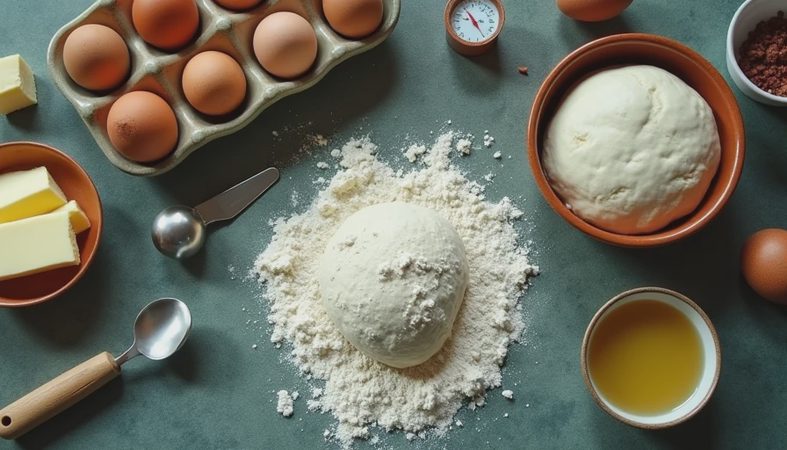
Baking Science for Better Bread, Cakes, and Pastries
Baking science makes home recipes easier to understand. Learn how flour, yeast, sugar, heat, and timing work t...

Food Science for Better Bread and Baking at Home
Food science makes sourdough, cakes, and pastries easier to understand. Learn how flour, heat, yeast, and timi...
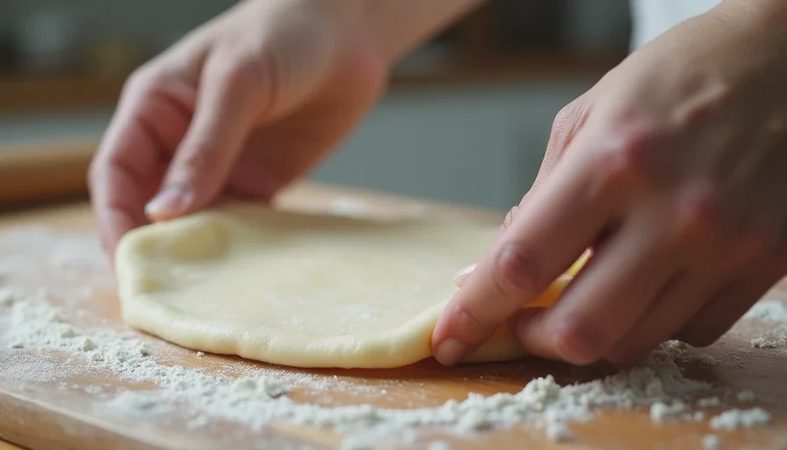
Gluten, explained without a biology degree
Gluten is just two proteins in flour that link up when they get wet and moved. Here is what actually matters f...
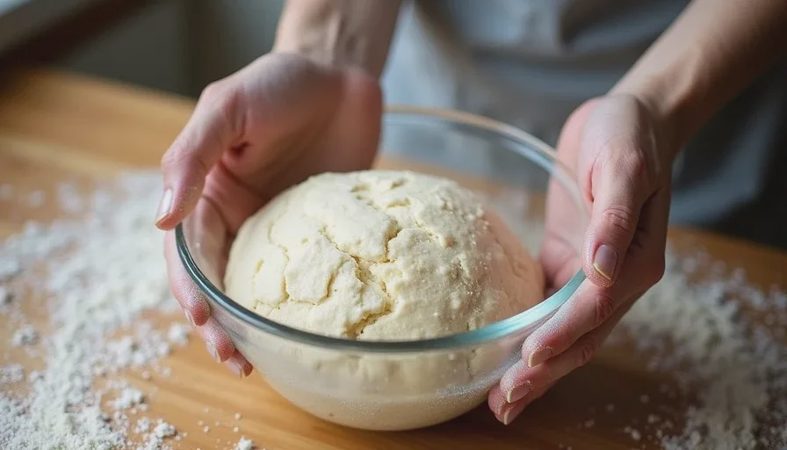
Hydration percentages: stop fearing the number
Hydration is just water weight divided by flour weight. The number is useful, but the feel of the dough matter...
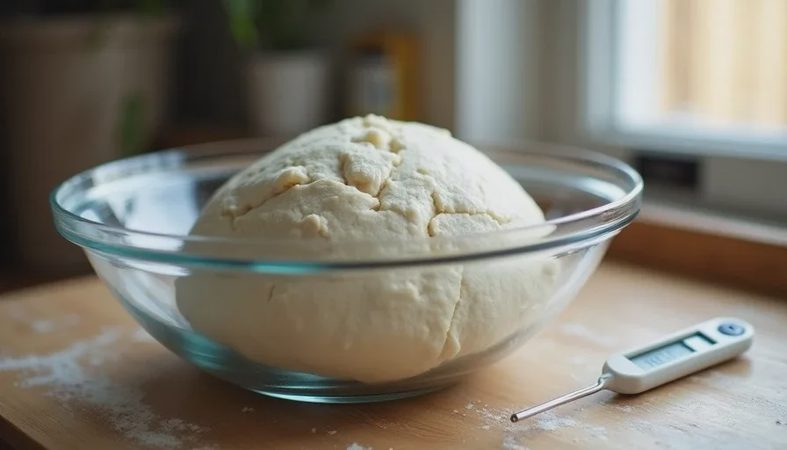
Temperature, the silent ingredient: why your dough won't rise when it's cold
Yeast and starter slow dramatically in the cold. This is why dough can sit for hours with little change. Here ...
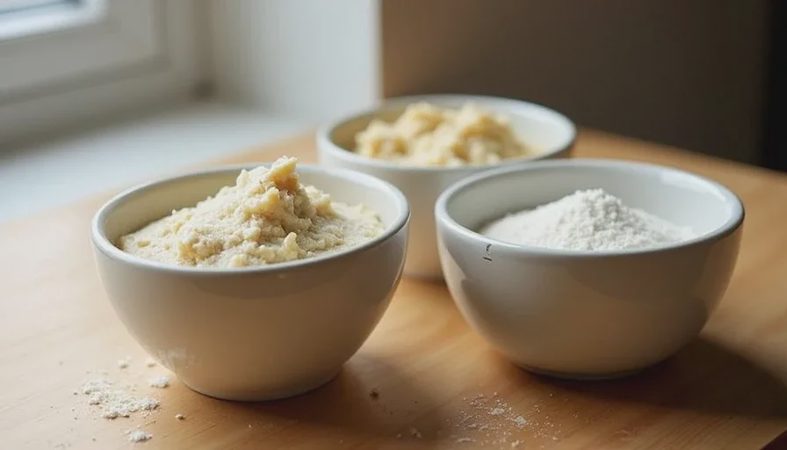
Yeast vs. starter vs. baking powder: a cheat sheet
Three different ways to make dough or batter rise. Here is how commercial yeast, sourdough starter, and baking...
I ran the numbers: does expensive flour actually matter?
I compared supermarket bread flour, mid-range brands, and higher-priced specialty flour in the same doughs. Pr...