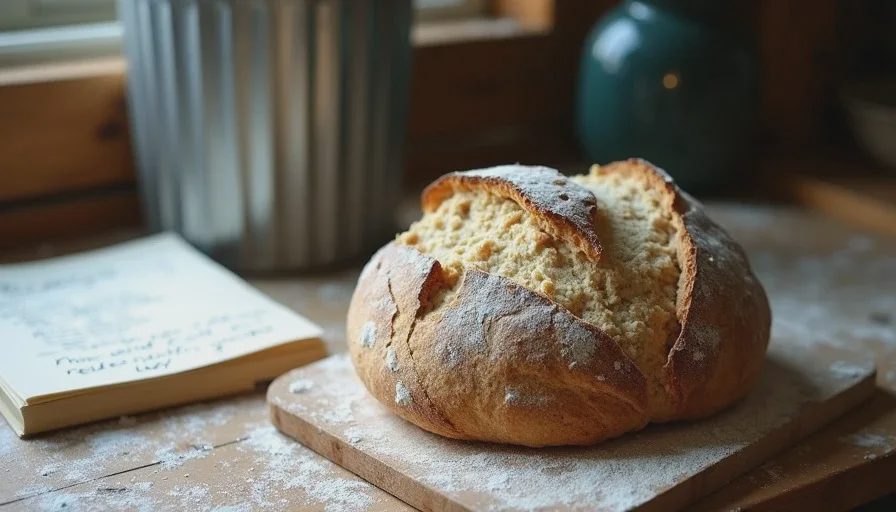
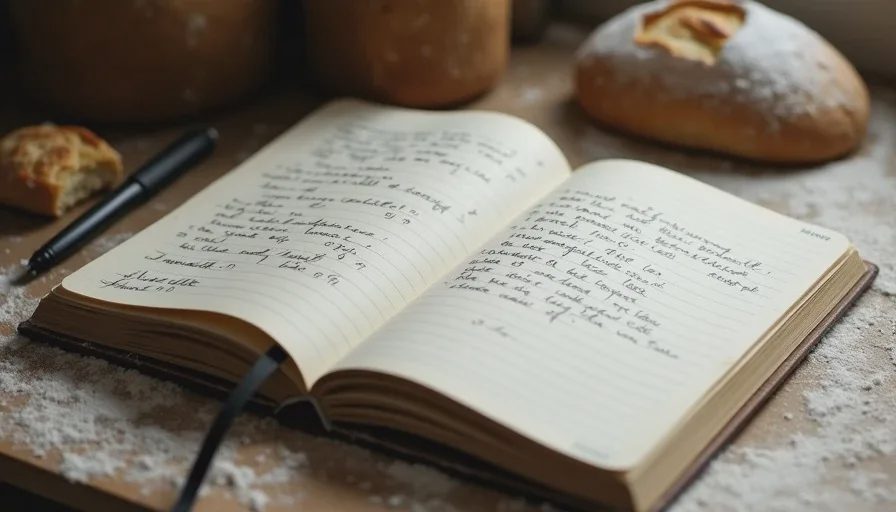
I used to pretend the bad loaves never happened. Then I started writing them down. The list sits in the back of a notebook I keep near the scale. Each entry is short: what the loaf looked like, what I think went wrong, and what I changed the next time. Looking at them together is more useful than any single successful bake. These are ten that still matter.
The early ones that taught the basics
1. The brick that never rose
The dough felt heavy the entire time. I shaped it anyway and baked it. It came out dense enough to hurt if you dropped it. The starter had only risen about 30 % since the last feeding.
Lesson: Never mix with a starter that has not reliably doubled. The rest of the process cannot compensate for a weak culture.
2. The loaf that spread into a pancake
It looked fine in the banneton. In the oven it flattened and never recovered. I had skipped the final shaping tension because the dough felt soft and I did not want to tear it.
Lesson: Surface tension is not optional. A gentle but complete final shape gives the dough the structure it needs to rise up instead of out.
3. The one that burst out the side
I scored too timidly. The loaf found its own weak spot along the base and blew out sideways. The crumb was fine. The shape was not.
Lesson: A decisive score at the right depth is kinder than a hesitant one. The dough needs a planned place to open.
4. The gummy interior
The crust was beautiful. The center was wet and dense even after a full cool. I had cut it after forty minutes because it smelled too good to wait.
Lesson: Cooling is part of the bake. Two hours on a rack is the minimum for most loaves. The crumb finishes setting while it cools.
The ones that looked right until they did not
5. The over-proofed collapse
The dough had looked perfect—light, jiggly, full of bubbles. By the time it went into the oven it had gone too far. It deflated when I scored it and never recovered.
Lesson: The window for final proof is real. When the dough feels fragile and the poke test leaves a permanent dent, it is better to bake sooner or move it to the fridge earlier next time.
6. The under-fermented dense crumb
I followed the clock instead of the dough. Bulk was short because I wanted to bake before dinner. The loaf had decent height but a tight, closed crumb.
Lesson: Watch the dough, not the schedule. Fifty to seventy-five percent growth and a light, aerated feel matter more than the hour on the page.
7. The scorched bottom
The top was perfect. The base was nearly black. My baking sheet was thin and the oven ran hot from below.
Lesson: Equipment and oven personality are part of the formula. A preheated Dutch oven or a heavier sheet, plus knowing where your oven runs hot, prevents the same mistake.
The later ones that refined the details
8. The loaf that tasted flat
Everything about the process had been correct. The flavor was bland. I had used a young starter and a short bulk in a warm kitchen.
Lesson: Time and acidity develop flavor. A longer, cooler bulk or a more mature starter gives the bread more character even when the structure is already fine.
9. The one that stuck and tore
I floured the banneton too lightly. The dough glued itself to the liner and deflated when I tried to turn it out.
Lesson: Rice flour or a proper mix of rice and wheat flour in the banneton is cheap insurance. The release should be clean.
10. The beautiful loaf I still threw away
It had good height, a clean ear, and an open crumb. It also had a sharp, unpleasant sourness that made it hard to eat. The starter had been left too long at peak and the bulk had gone longer than I realized in a warm room.
Lesson: More fermentation is not always better. Flavor can tip from complex into harsh. Taste the dough or the starter when something feels off, and do not be afraid to adjust mid-process.
What the list is for
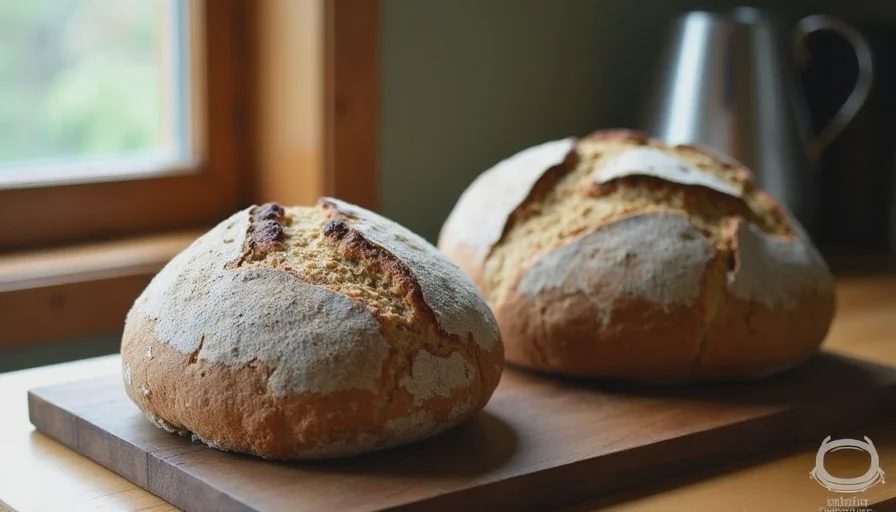
I do not keep the list to feel bad about the failures. I keep it so the same failure costs me less the next time. Each entry is a single, specific correction rather than a vague sense that “something went wrong.” When a new loaf misbehaves, I can usually match it to one of these and know where to look first.
Some of the loaves were edible enough that someone else might have kept them. I threw them out because I wanted the lesson clean. Eating a mediocre loaf and calling it fine would have blurred the data. The trash made the feedback sharper.
I still add to the list occasionally. The entries are less frequent now, and the mistakes are smaller. That is the only progress that actually counts. The goal is not a perfect record. The goal is a shorter distance between the mistake and the correction.
If you are throwing loaves away, write them down. Name the failure as precisely as you can. The next dough will benefit from the honesty. The dough will forgive you. The list simply helps you forgive yourself faster and waste less flour in the process.


No comments yet.