If you have ever pulled a tray of pastries from the oven and wondered why yours look pale while everyone else's shine like tiny lacquered treasures, the answer is probably an egg wash. Learning how to make an egg wash takes less than two minutes, uses ingredients already in your kitchen, and can give bread, biscuits, hand pies, and croissants a deeper golden color. It does not fix under-proofed dough or a sad filling, but it is a wonderfully useful finishing step.
What an egg wash actually does
An egg wash is a beaten egg brushed over unbaked dough before it goes into the oven. The proteins in the egg set as they heat, while the fat helps create color and a subtle shine. The liquid you add changes the result. Water makes a relatively light, crisp coating. Milk softens the color and gives a gentle sheen. Cream produces a richer, darker finish, although it can brown quickly on a hot baking sheet.
The coating also helps toppings stick. Sesame seeds, poppy seeds, coarse sugar, flaky salt, and grated cheese cling much better to brushed dough than they do to a dry surface. Use a thin layer rather than flooding the pastry. Too much liquid can collect in the folds of a laminated pastry or run onto the pan, where it cooks into a rubbery yellow edge.
For most home baking, one large egg is enough for about one standard loaf, a dozen dinner rolls, or eight medium hand pies. If you are glazing a large batch, beat two eggs together so you do not run out halfway through brushing.
How to make an egg wash: three reliable ratios
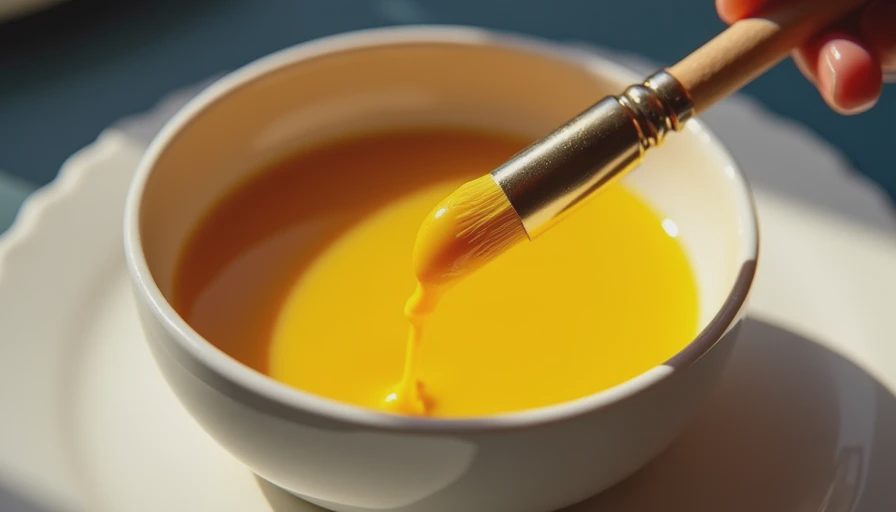
The simplest version is one large egg beaten with 15 grams, or 1 tablespoon, of water. This produces a shiny, medium-golden finish and is my everyday choice for bread and savory pastries. Beat until the white and yolk are completely blended; streaks of clear egg white can bake into pale, wrinkled patches.
For a softer, lighter finish, use one egg plus 15 grams of milk. This is especially good on dinner rolls, brioche, scones, and breakfast pastries where you want color without a dark crust. Whole milk gives more richness, but 2 percent milk works perfectly well.
For deep color, combine one egg yolk with 10 grams of heavy cream. This mixture is powerful. Brush it very thinly over croissants, puff pastry, or pie crust, and start checking the oven five minutes earlier than your recipe suggests. A yolk wash can turn from golden to scorched around the edges quickly.
A pinch of salt, about 0.5 grams, helps break down the egg proteins and makes the mixture easier to spread. It also seasons the surface of savory dough. For sweet pastries, skip the salt or add 2 grams of sugar if you want extra browning. Sugar encourages color, so watch the final minutes carefully.
The best way to apply it
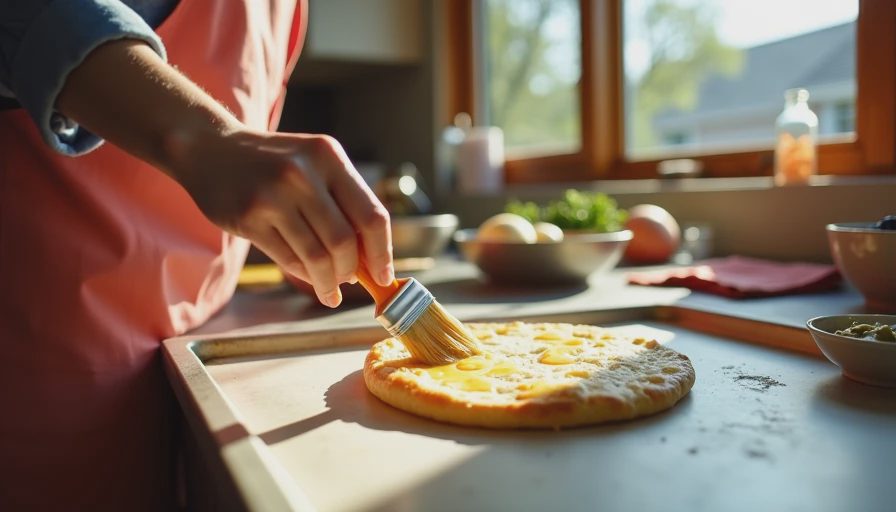
Use a soft pastry brush, but do not buy a special tool if you do not have one. A clean silicone brush works well, and the corner of a folded paper towel can handle an emergency glaze. Dip only the tips into the mixture, then wipe excess against the side of the bowl. You want the dough damp and coated, not dripping.
Brush in one direction across exposed surfaces. For shaped rolls, cover the rounded tops but avoid letting wash pool between them. For a braided loaf, follow the braid instead of scrubbing across it, which can flatten delicate ridges. On a pie, brush the crust after cutting vents but before adding decorative sugar.
Apply the wash immediately before baking unless the recipe says otherwise. If dough sits brushed on the counter for 30 minutes, the coating can dry into a patchy film. If you are working with proofed bread, move gently. One hard brush stroke can deflate a beautifully risen roll, and no amount of shiny glaze will rescue that.
How to make an egg wash when you are out of eggs
There are useful substitutes, although none behaves exactly like an egg. Milk brushed directly onto dough gives a mild brown color with little shine. Cream gives stronger color but can burn at the edges. Melted butter adds flavor and tenderness rather than a glossy finish; brush it on after baking for soft rolls or before baking for crackers.
For vegan baking, unsweetened soy milk usually browns more effectively than almond or oat milk because it contains more protein. A mixture of 15 grams soy milk and 5 grams maple syrup can create attractive color on buns, but the sugar means you should lower the oven temperature by about 10 degrees Fahrenheit if the surface darkens too quickly. Aquafaba, the liquid from canned chickpeas, can help seeds adhere and adds a slight sheen, but it rarely creates the same deep gold.
One substitute I do not love is plain water. It can help toppings stick, but it will not provide meaningful browning. If water is all you have, use it, then finish the baked bread with melted butter or oil for flavor.
Troubleshooting pale, patchy, or burned tops
If your pastry is pale, first check that the wash covered the entire exposed surface. A heavy concentration of egg white does not necessarily mean better color; unmixed white can leave translucent spots. Beat for 30 to 45 seconds, or strain the mixture through a small sieve if you want an especially smooth finish.
If the top burned before the center baked, the wash was probably too thick, too yolk-heavy, or applied to dough that needed a longer bake at a lower temperature. Tent the pastry loosely with foil once it reaches the color you want. Do not press the foil against the surface, or it can stick and tear the crust.
If the wash slid off, the dough may have been wet from condensation or excess flour. Pat the surface dry with a clean towel, dust away loose flour, and brush again with a thin coat. Flour acts like a barrier, so a heavily floured boule will not develop an even shine.
My most common failure is applying too much to a braid. The egg pooled in the valleys, baked into dark stripes, and looked less like a bakery loaf than a topographic map. The fix was simple: wipe nearly all the wash off the brush before touching the dough again.
A quick egg-wash checklist
Crack one large egg into a small bowl. Add 15 grams of water for a shiny everyday finish, or 15 grams of milk for softer color. Beat until no white strands remain. Brush a thin coat over proofed, shaped dough just before baking. Add seeds or sugar while the surface is still wet. Bake according to the recipe, but begin checking a few minutes early if you used yolk, cream, or sugar.
That is the practical version of how to make an egg wash: one egg, a measured tablespoon of liquid, and a light hand. It does not matter if the finish is perfectly even. A slightly patchy roll still tastes like bread, and a dark edge is usually edible. The dough will forgive you. So will I. Put on the apron and go ahead and do it.
No comments yet.