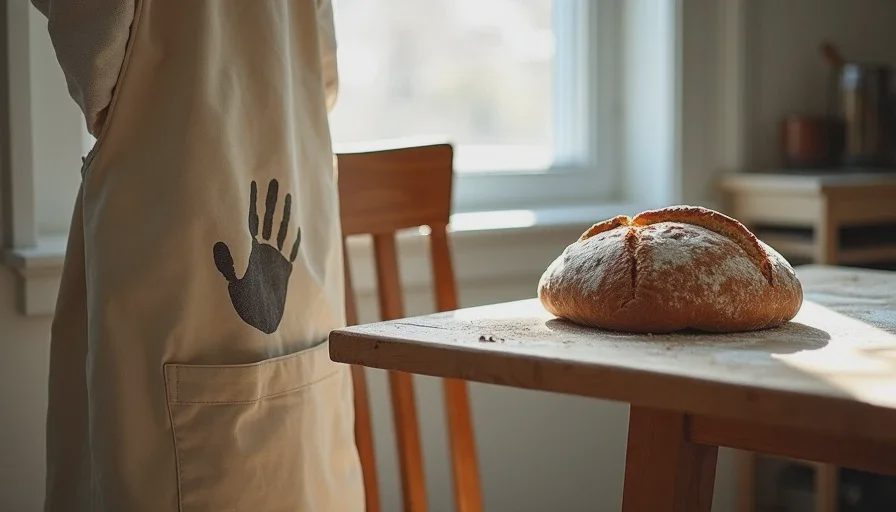
I used to think a good loaf had to look like the ones in the bakery window. Crust evenly scored, crumb open but controlled, no cracks that wandered off course. Then I spent eight months under a grumpy French baker named Gérard who would point at a perfectly risen boule and say, “Pretty. Now make it taste like something.” He was right. The ones that looked a little wrecked almost always tasted better.
This site exists because I got tired of recipes that promised “guaranteed success” and then left you staring at a dense brick at 11 p.m. on a Tuesday. I’m Emily. I live in Denver with my husband Mark, our daughter Lily (who is 3.5 and considers flour a personal plaything), and a sourdough starter named Gus who has survived more neglect than any living thing should. I never went to culinary school. I spent four years as a data analyst, then two years teaching myself bread the hard way, then an apprenticeship that left flour permanently ground into every apron I own. I’m still a part-time partner at that same neighborhood bakery. I still burn things. I still post the photos.
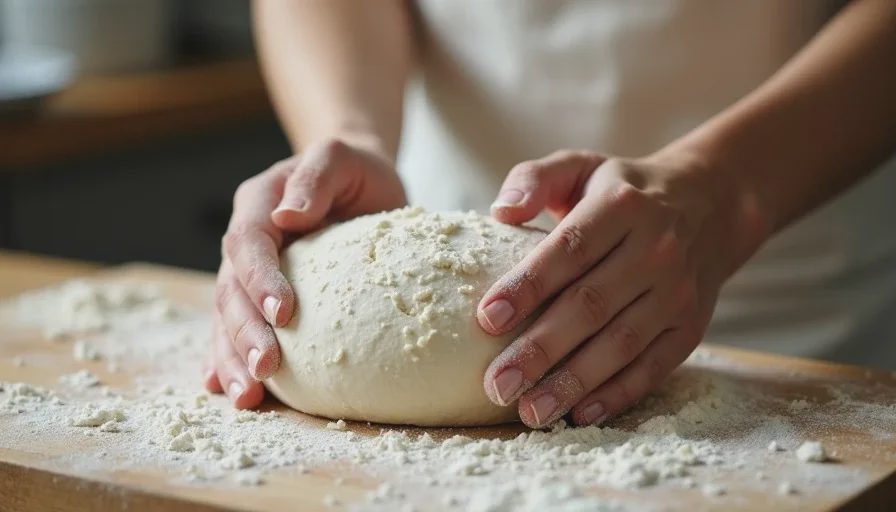
Why I stopped chasing perfect
Most baking content sells you an illusion. The lighting is perfect. The crack is artistic. The crumb is textbook. What you don’t see is the three earlier attempts in the trash, the starter that died last week, or the fact that the photographer owns a professional deck oven and a $400 scale that never drifts.
I bake in a regular home oven that runs hot on the left side. My counter is the same one Lily uses for Play-Doh. My hands are not always clean. When a loaf comes out with a wild ear or a cake splits down the middle, I don’t crop the photo. I write down what happened. That is the entire point of this place.
Perfect is fragile. Delicious is resilient. A loaf with an imperfect score still makes excellent toast. A cake with a crack still gets eaten in ten minutes flat by a small person who does not care about symmetry. The dough does not care how pretty it looks on your feed. Neither do the people who actually eat it.
I keep a mental list of the loaves I threw away in the first two years. There were ten that stand out. One collapsed because I proofed it too long on a warm day. One never rose because Gus was half-dead and I refused to admit it. One scored so deep the whole thing deflated like a sad balloon. Each one taught me something specific. The collapsed one taught me to watch the dough, not the clock. The dead starter taught me that “I fed it yesterday” is not the same as “it is alive today.” The over-scored one taught me that confidence without restraint is just another way to ruin dinner.
I still throw loaves away sometimes. Not as often. But I do. And I will tell you when it happens.
The path that got me here
I started baking because my brain would not shut off after long days of spreadsheets and campaign metrics. Kneading gave my hands something to do while the rest of me quieted down. At first I followed recipes exactly. Then the recipes started failing in ways the instructions never mentioned. Humidity in Denver is not the same as humidity in the recipe writer’s coastal kitchen. My oven is not their oven. My flour is not their flour.
So I started measuring everything. Grams, not cups. Temperatures, not “warm.” Times, then adjustments when the dough felt different. The data analyst in me never really left. She just moved into the kitchen and started keeping better notes.
The apprenticeship came later. Gérard did not care that I had a statistics degree. He cared that I could shape two hundred loaves without tearing the skin and that I could tell when the dough was ready by feel instead of by the number on the proofing basket. He yelled. A lot. Mostly in French. Mostly about my scoring. Eight months of that will either break you or make the rest of baking feel almost gentle by comparison. It made me gentle with myself, which was the part I needed most.
I still work there part-time. I still get flour in my hair. I still come home and bake the same things in a much smaller oven and notice what changes and what does not. That gap—between commercial reality and home reality—is where most of the useful information lives. I will write about it often.
What you will actually find on this site
Four kinds of posts.
Sourdough, Honestly is the backbone
Building a starter, feeding it, shaping, scoring, troubleshooting the flat ones, the dense ones, the ones that never spring. Exact gram weights. Real timelines that include the part where you walk away and let the dough do its job. Notes on what went wrong when it went wrong.
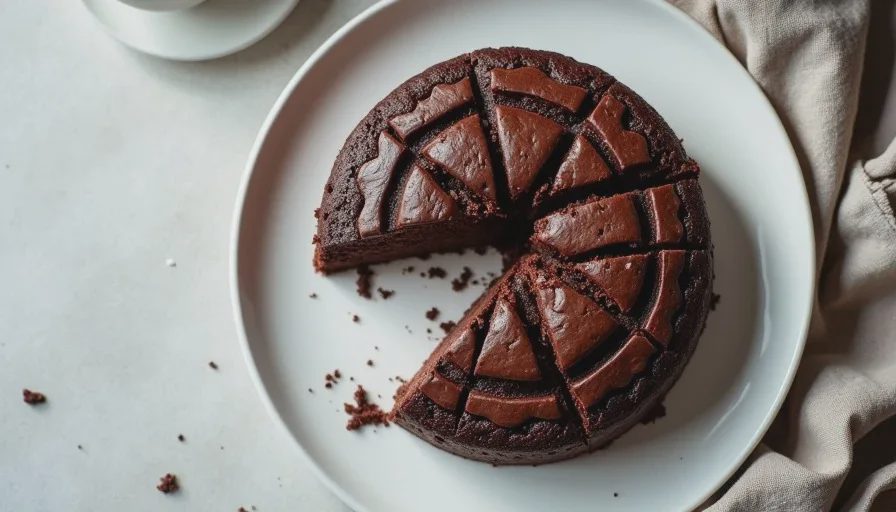
Sweet Things covers the cakes, tarts, cookies, and crumbles
The ones with cracks I refuse to hide. The ones Lily actually eats. The ones that use fruit from the backyard garden when it cooperates.
The Science Note is the margin commentary
Gluten without the textbook language. Hydration without the fear. Temperature as the quiet ingredient that ruins more bakes than any other single factor. I will run numbers when it helps. I will also tell you when the numbers matter less than how the dough feels.
A Messy Kitchen is the personal side
Failures. The garden. Baking with a toddler. The grumpy Frenchman. The days when everything goes sideways and you still end up with something edible. This is the category that keeps the recipes from floating free of the person who made them.
You will not find equipment lists that assume you own a stand mixer, a banneton collection, and a baking steel. You will not find “100% fail-proof” language. You will not find extreme diet versions of classic recipes. You will find exact measurements, failure modes named out loud, and the occasional instruction to throw the whole thing in the trash and start over. That last one is not failure. It is data.
I keep three phrases close:
It doesn’t matter if it’s perfect or not, just make it delicious.
Put on the apron and go ahead and do it.
The dough will forgive you. So will I.
The third one is the one I mean most. Dough is patient in ways people often are not. It will wait while you figure out the timing. It will recover from a rough shape. It will still rise after a cold night. I will wait with it. I will tell you what I tried when mine did not rise. I will tell you when I gave up and ordered pizza instead.
This is not a site that pretends home baking is effortless. It is a site that treats the effort as worth it even when the result is ugly. Especially when the result is ugly. The crack in the crust is where the flavor lives. The uneven crumb is still soft. The flour on the apron is proof you showed up.
If that sounds like the kind of kitchen you want to spend time in, stay. The first loaf will not be perfect. Neither will the twentieth. That is not the point. The point is that it will taste like something real, and you will know exactly why.
Welcome. The counter is messy. The light is good. Gus is bubbling in the corner. Let’s bake something that cracks on purpose.


No comments yet.