
Basic icing sugar icing is the thing I make when a cake is cooling on the counter and suddenly looks a little too plain. It takes five minutes, uses ingredients already hiding in the pantry, and gives cookies, cinnamon rolls, banana bread, and tea cakes a clean sweet finish. No stand mixer, no pastry-school performance, and no tiny bottle of specialty extract required.
The formula is simple: powdered sugar, a measured amount of liquid, and a little flavor. The part that causes trouble is the liquid. Add too much and you get a translucent puddle sliding off the edges. Add too little and you are stirring cement. I have made both, usually while Lily is asking for the spoon, so here is the reliable middle ground.
The basic formula and exact measurements
For about 120 grams of basic icing sugar icing, weigh 100 grams powdered sugar into a bowl. Add 15 grams milk or water and 2 grams vanilla extract. Stir with a small whisk or fork for 60 to 90 seconds, scraping the bottom and sides. The finished icing should fall from the whisk in a thick ribbon and disappear into the bowl after about 8 seconds.
That measurement is a starting point, not a rigid law. Powdered sugar absorbs differently depending on humidity and how tightly it was packed. If the mixture is too stiff, add liquid in 1-gram increments. If it is too loose, add powdered sugar 5 grams at a time. I know 1 gram sounds fussy for a drizzle, but it prevents the classic mistake of pouring in another tablespoon and turning a glaze into soup.
Sift the sugar if it has been sitting open for a while. A quick pass through a small sieve removes hard lumps before they become impossible little pebbles. If you do not own a sieve, press the lumps against the side of the bowl with the back of a spoon, then stir patiently.
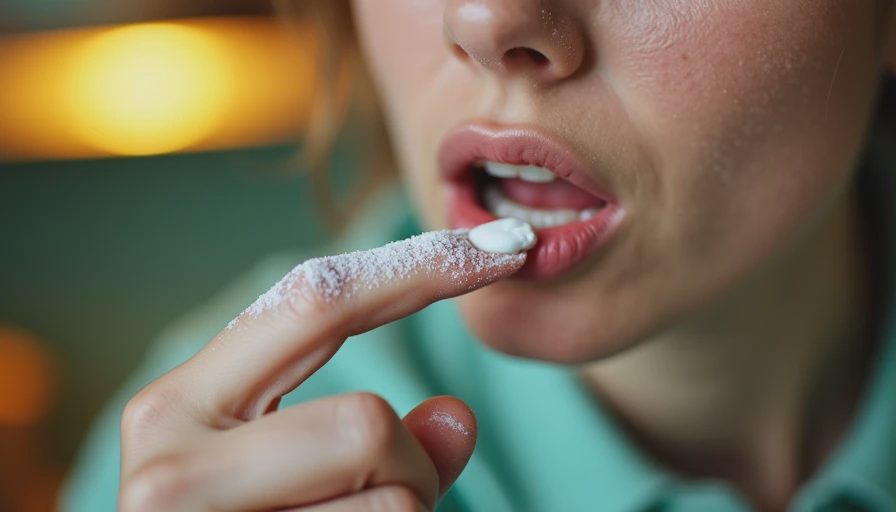
For a dairy-free version, use water, oat milk, or unsweetened almond milk. Water makes a slightly clearer, crisper finish, while milk creates a softer-looking white glaze. Lemon juice works beautifully on blueberry muffins and shortbread, but use 10 grams lemon juice plus 5 grams water rather than replacing all the liquid with lemon. Straight lemon juice can taste sharp and thin.
How to get the right pouring consistency
The ideal basic icing sugar icing depends on what you are covering. For a cake drizzle, aim for a ribbon that sits on the surface for a moment before slowly spreading. For cookies, make it thicker so it stays where you spoon it. For cinnamon rolls, a looser mixture is helpful because it can run into the spirals without tearing the soft dough.
Dip the whisk into the bowl and lift it 2 inches. If the ribbon vanishes immediately, stir in 5 grams powdered sugar. If it breaks into clumps or refuses to fall, add 1 gram liquid, stir, and test again. This is more useful than guessing by the clock because a cold kitchen, a warm oven, or a particularly dry bag of sugar can shift the texture.
Let the baked item cool before glazing. Warm cake melts the icing and sends it toward the plate. A slightly warm cinnamon roll is fine, but wait at least 10 minutes after baking. I once glazed hot rolls because breakfast guests were arriving, and the icing disappeared into the pan. Delicious, yes. Pretty, absolutely not.
Flavor ideas beyond vanilla
Vanilla is dependable, but this base can go in several directions. Use 2 grams almond extract for cherry bars or sugar cookies, though almond extract is strong and does not need a generous pour. Add 1 gram orange zest and replace 5 grams of the liquid with orange juice for a bright glaze on pound cake.
For coffee cake, dissolve 3 grams instant espresso powder in the liquid before adding it to the sugar. For a warm spice version, mix in 1 gram cinnamon and a small pinch of nutmeg. Cocoa works too: replace 12 grams powdered sugar with 12 grams unsweetened cocoa powder and add 2 extra grams milk. The color will be darker and the icing will taste less sweet, which is useful on rich brownies.
A pinch of salt, about 0.5 gram, keeps basic icing sugar icing from tasting flat. It will not make the glaze salty; it simply gives the sweetness an edge. I add it especially when using water instead of milk.
Common failures and the fixes
If the icing is lumpy, the sugar was not sifted or the liquid was added too quickly. Let the bowl sit for 2 minutes, then press each lump against the side and stir. For stubborn lumps, push the icing through a fine sieve. Do not add more liquid while lumps remain, because that only creates a thinner lumpy glaze.
If the glaze looks dull, the surface may be too dry or the mixture may be too thick. A thin layer usually dries with a soft sheen rather than a glassy shine. Stir in 1 gram liquid and apply it while the baked item is fully cool but not cold from the refrigerator.
If it slides off the cake, the cake is probably warm, the icing is too thin, or both. Scrape it back into the bowl, add 10 grams powdered sugar, and wait 5 minutes. The sugar needs a little time to hydrate. If the cake has a domed top, trim the peak or spoon the icing into the center and nudge it outward instead of flooding the whole surface.

How to apply it without making a mess
Place the cooled cake or loaf on a wire rack set over a sheet pan. That sheet pan catches the drips and saves you from scraping dried sugar off the counter. For a controlled drizzle, use a teaspoon and move your wrist steadily from one side to the other. For a full cookie coating, dip the top, lift it, and let the excess drip for 10 seconds before setting it on parchment.
Basic icing sugar icing usually needs 20 to 40 minutes to become touch-dry, depending on thickness and humidity. It will not become as hard as royal icing because it contains more liquid and no egg white. For stacking cookies, make the glaze thicker and let them sit uncovered for several hours. Store glazed baked goods in a single layer until the surface has set.
My practical make-ahead notes
You can prepare basic icing sugar icing up to 24 hours ahead. Cover the surface directly with plastic wrap so air cannot form a crust, then stir it thoroughly before using. If it has tightened, add liquid one gram at a time. Do not leave it uncovered while you bake; even five minutes can create a dry skin that turns into small flakes.
This glaze is best on the day it is made, but leftovers keep refrigerated in an airtight container for about three days. Bring it to room temperature and stir before spreading. The texture may be slightly less smooth after chilling, so use it for a rustic loaf or muffin rather than a showcase cake.
The failure mode I see most often is rushing the liquid. Start with less than you think you need, measure every addition, and give the sugar time to absorb it. That is the whole trick. It does not matter if it's perfect or not, just make it delicious. Put on the apron and go ahead and do it. The dough will forgive you. So will I.

No comments yet.