Simple cakes are my favorite kind of baking project: one bowl, ordinary ingredients, and enough room for the cake to look homemade. Not every Tuesday needs a towering layer cake with seven piping tips and a buttercream forecast. Sometimes you need a warm square of vanilla cake after dinner, and you need it without turning the kitchen into a flour-covered laboratory.
I have made simple cakes in Denver kitchens with dry winter air, a stubborn oven, and a three-year-old named Lily stealing chocolate chips from the counter. The goal is not perfection. The goal is a tender crumb, a good smell, and a slice worth eating while standing beside the sink. It doesn't matter if it's perfect or not, just make it delicious.
What makes a cake genuinely simple?
A simple cake has a short ingredient list, a forgiving method, and a pan you already own. My basic starting point is a 9-inch round pan or an 8-inch square pan, parchment for the bottom, and an oven thermometer if your oven has a history of lying. You do not need a stand mixer. A $12 hand mixer, a whisk, or even a wooden spoon can get the job done.
For a reliable vanilla cake, weigh 180 grams of all-purpose flour, 150 grams of sugar, 6 grams of baking powder, and 3 grams of fine salt into a bowl. Add 115 grams of softened unsalted butter, two large eggs, 120 grams of whole milk, and 8 grams of vanilla extract. Room-temperature ingredients blend more evenly, but I have made this with cool eggs too. The batter was less smooth; the cake was still good.
The most important measurement is flour. Scooping directly from the bag can pack in an extra 20 or 30 grams, and that is enough to turn a soft cake into a dry one. If you do not own a scale, fluff the flour, spoon it into a measuring cup, and level the top with a knife.
A dependable method for simple cakes
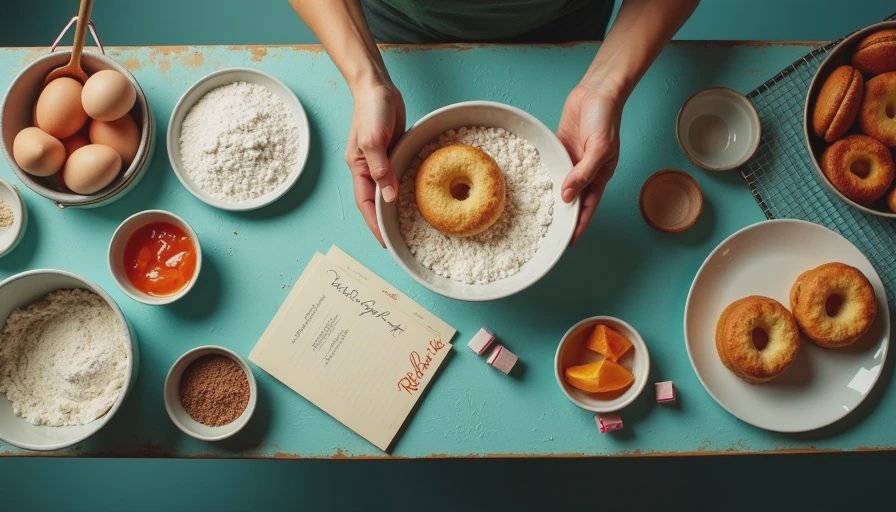
Heat the oven to 350°F. Grease the pan, line the base with parchment, and leave the sides lightly greased. Cream the butter and sugar for two minutes, until lighter in color. Beat in the eggs one at a time, scraping the bowl after each addition. Mix the flour, baking powder, and salt in a separate bowl, then add that mixture in three additions, alternating with the milk.
Stop mixing as soon as you no longer see dry flour. A few small lumps are harmless. Beating for another three minutes is not extra insurance; it develops gluten and can make the crumb chewy. Spread the batter into the pan and bake for 28 to 34 minutes. The center should spring back lightly, and a toothpick should come out with a few moist crumbs rather than wet batter.
Cool the cake in the pan for 15 minutes. Run a thin knife around the edge, turn it out, and cool it completely before frosting. If you cut it while hot, the middle can seem gummy even when it is fully baked. That is not a mysterious recipe failure. It is simply steam finishing its work.
Three easy flavors from one batter
Vanilla is the clean baseline, but the same batter can become several simple cakes without a shopping trip. Fold 100 grams of blueberries into the finished batter for a fruit version. Toss the berries with 8 grams of flour first so they are less likely to sink. Frozen berries work well; do not thaw them.
For a lemon cake, add 6 grams of finely grated lemon zest and replace 20 grams of the milk with 20 grams of lemon juice. The acidity gives the cake a brighter flavor, but do not add extra juice just because the lemon is sitting on the counter. Too much liquid can make the center collapse.
For chocolate, replace 25 grams of flour with 25 grams of unsweetened cocoa powder and add 30 grams of strong brewed coffee, cooled to room temperature. The coffee does not make the cake taste like coffee. It makes the chocolate taste less shy. A handful of chopped dark chocolate, around 85 grams, is welcome but not required.
These are simple cakes because the changes are measured, not vague. “Add some lemon” sounds friendly until the batter is already too wet. My data analyst brain likes a number, and my hungry family likes a cake that holds together.
The failure modes I see most often
A dry cake usually comes from too much flour, too much baking time, or an oven running hot. If the edges are brown while the center is still pale, test the oven temperature with a basic thermometer and move the pan to the middle rack. If the whole cake is dry, brush the cooled layers with 30 grams of milk mixed with 10 grams of sugar. It will not resurrect a brick, but it can rescue a slightly overbaked cake.
A sunken center usually means the oven door opened too early, the cake was underbaked, or the batter contained extra liquid. Avoid opening the door for the first 22 minutes. If the center sinks but is cooked, cover it with whipped cream and berries. Call it a dessert strategy, because that is what I do.
A dense cake often means the butter was too cold or the batter was overmixed after the flour went in. The fix next time is simple: soften the butter until a finger leaves a dent, and fold only until combined. If the cake is dense but not raw, toast slices in a skillet with a little butter. Throwing away food is sometimes sensible, but not every ugly cake deserves the trash.
Frosting and serving without a production line
For an easy glaze, whisk 120 grams of powdered sugar with 18 grams of milk and 4 grams of vanilla. Pour it over a completely cool cake. For a less sweet finish, serve the cake with lightly sweetened whipped cream and sliced strawberries. A spoonful of warm jam brushed over the top also gives a plain cake a glossy, bakery-window look without requiring decoration skills.
Simple cakes are especially good when served slightly warm, but frosting will melt if the cake has not cooled. If you are baking for tomorrow, wrap the cooled cake tightly in plastic wrap and keep it at room temperature for one day. For longer storage, freeze unfrosted slices for up to two months. Wrap each piece twice, then thaw it still wrapped so condensation stays on the wrapping instead of soaking the crumb.
A small-batch plan for busy afternoons
When I want a smaller bake, I use a loaf pan and make half the vanilla batter: 90 grams flour, 75 grams sugar, 3 grams baking powder, 1.5 grams salt, 58 grams butter, one egg, 60 grams milk, and 4 grams vanilla. Bake at 350°F for 25 to 30 minutes, beginning to check at 24 minutes. The loaf will not rise as dramatically as a full cake, but it is exactly right for two adults, one flour-bandit child, and breakfast the next morning.
Set out the ingredients before turning on the oven. Grease the pan, weigh everything, and read the method once. That ten-minute setup prevents the classic panic of discovering the butter is still refrigerator-hard while the oven is already hot. Put on the apron and go ahead and do it. The dough will forgive you. So will I.
Whether you choose vanilla, lemon, blueberry, or chocolate, simple cakes reward attention more than equipment. Watch the batter, trust the timer, and learn your oven's quirks. A crack down the middle is not a personal failure; it is a place for glaze to collect. Bake the cake, cut a generous slice, and let delicious beat perfect every single time.


No comments yet.